Keen to explore the science behind sport and exercise? Look no further than this action-packed degree, designed to equip you with the specialist skills needed to prepare you for graduate employment.
Build vital employability skills on work placements with organisations like Derby County FC, Derbyshire Country Cricket Club and Burton Albion FC
Strengthen your CV by working towards additional qualifications – we offer a range depending on your chosen industry pathway
Accredited and endorsed by BASES Undergraduate Endorsement Scheme (BUES), this course will provide you with many additional benefits and opportunities, and ensures the highest teaching standards are met
Sport and Exercise Science - your questions answered
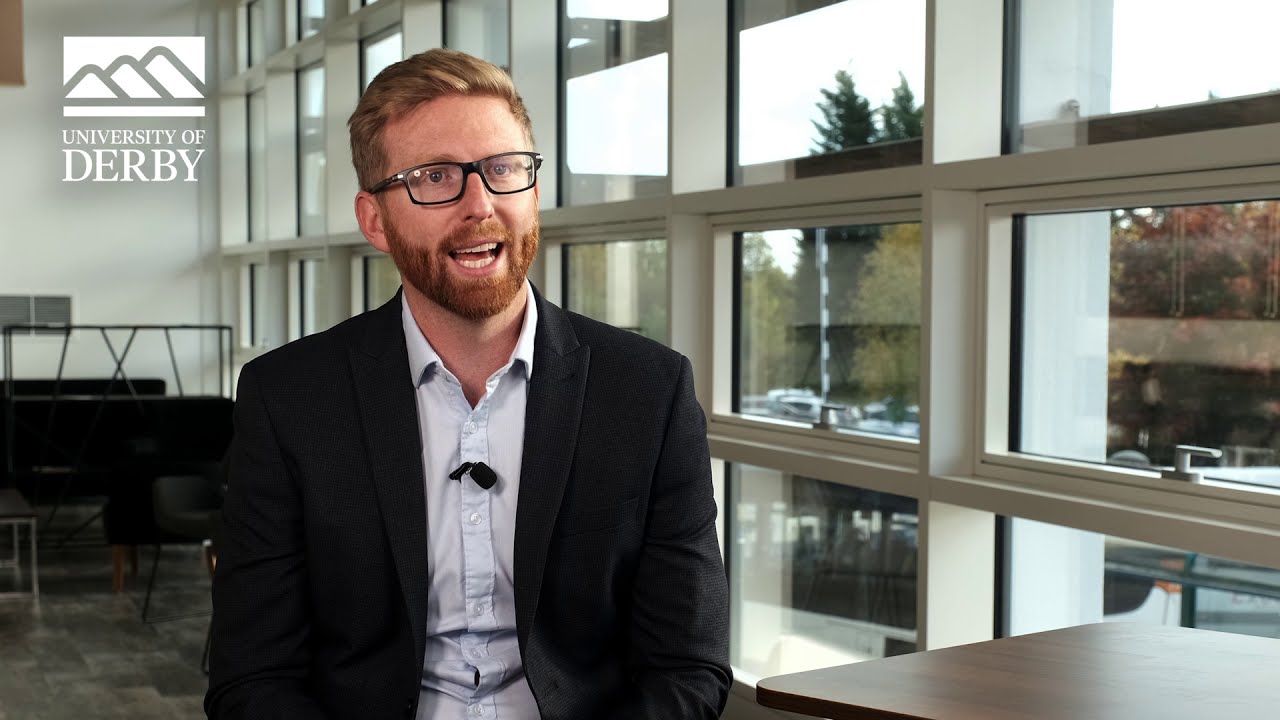
In the below video, Head of Discipline for Sport and Exercise Science, Andy Hooton, answers some of the most frequently asked questions about Sport and Exercise Science at the University of Derby.
100%of students agreed that staff are good at explaining thingsBSc (Hons) Sport and Exercise Science - National Student Survey 2024
100%of students agreed that staff make the subject engagingBSc (Hons) Sport and Exercise Science - National Student Survey 2024
97%of students agreed they were satisfied with the academic supportBSc (Hons) Sport and Exercise Science - National Student Survey 2024
Sport and Exercise Science at Derby
If you're interested in the science behind sport and exercise, this course will keep you ahead of the game with specialist facilities, work placements, sports masterclasses and the chance to gain additional professional qualifications such as coaching awards.
We give you a strong foundation in the science behind sport and exercise, including the roles of biomechanics, physiology and psychology in sport performance. As your studies progress, you'll be able to choose from specialised areas such as nutrition, physical activity and health, injury rehabilitation, and strength and conditioning. Your broad understanding of sport and exercise science, coupled with your specialist knowledge of a particular area, will enhance your career prospects and set you apart as a multi-skilled graduate
To ensure you’re well prepared for employment, you’ll engage in professional development activities including internships, research participation and/or additional qualifications in your first year and a mandatory work placement in your second year. You’ll also have the opportunity to undertake an optional placement year between your second and third year.
An accredited course
Our BSc (Hons) Sport and Exercise Science degree has received the only available endorsement for undergraduate sport courses from the British Association of Sport and Exercise Sciences (BASES); the UK professional membership organisation for Sport Scientists.
BASES rigorous assessment criteria ensures that only the highest calibre of courses achieve their endorsement award and provides a designated route towards BASES accreditation (postgraduate study required). BSc (Hons) Sport and Exercise students follow curriculum content recognised by the accrediting body as required by practitioners in the sector and have access to a wealth of learning and networking opportunities through free membership to BASES.
Expert teaching
Our sport and exercise science staff include accredited professionals who will provide you with high-quality teaching and support, for example, Dr Mark Faghy is accredited Clinical Physiologists with the AHCS and RCCP. The team are actively involved in research, high-performance sport and applied sport science consultancy. They are also members of leading professional bodies such as BASES, NSCA, The Physiological Society and the UK Strength and Conditioning Association.
Dr Mark Faghy, is also part of the American College of Sports Medicine (ACSM) Exercise Is Medicine committee. This partnership will enable you to engage with other students and academics from affiliated institutions around the world and brings to life teaching, knowledge exchange and research opportunities that are promoted through the ACSM.
The team conducts important research through the Human Performance Unit. Research themes include performance profiling, injury rehabilitation, human balance control and neuromuscular fatigue – to name but a few subjects. You’ll also have the chance to undertake your own independent research into a theme of your choice, culminating in a major conference where you will showcase your findings.
The Human Performance Unit (HPU) is a dedicated space focused on providing sport science services to coaches, individuals and teams wanting to enhance their performance. The range of services provided by the HPU includes, targeting improved physical training, recovery from exercise, exercise nutrition, sport psychology, injury prevention and rehabilitation for a specific sport.
The Human Performance Unit team analyse Jake Lowe's running performance in preparation for the London Marathon. As part of our Running Package, his blood lactate and heart rate were tested in the below video.
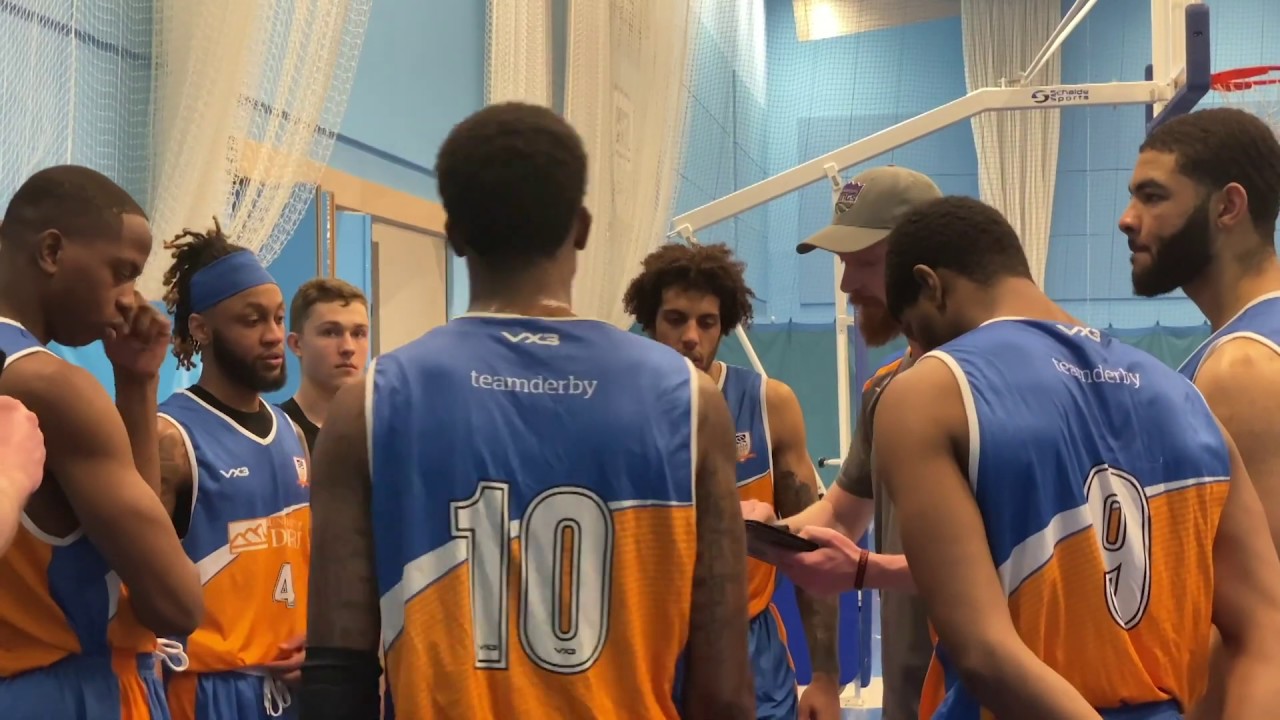
To give you the best possible preparation for life after study, we also have an excellent Sport and Exercise Internship Programme. You could apply for an internship supporting athletes at local sports clubs – an experience which will help you build your professional networks and boost your employability skills. Students have performed a variety of roles with organisations which have approached us for assistance, including West Bromwich Albion FC and Team Derby and we continue to develop links with local organisations to increase the opportunities offered to our students.
Luke's success highlights the value of placements
Luke Jenkinson, BSc (Hons) Sport and Exercise Science graduate, is working at Derby County Football Club as Head of Performance. This opportunity came from a placement he carried out whilst studying his course.
As part of the course, you’ll have the chance to gain additional sport and exercise science professional qualifications which are recognised and highly valued by employers. These include National Governing Body coaching awards and the Chartered Institute for the Management of Sport and Physical Activity (CIMSPA) Higher Professional Diploma. All will develop your confidence and leadership skills. We’ll also prepare you for National Strength and Conditioning Association (NSCA) certification, if this is of interest to you. We’re one of only four universities in the UK to act as an accredited centre for the association’s Certified Strength and Conditioning (CSCS) awards.
Specialist facilities
Our Sports Centre facilities include the main hall, fitness gym with strength and conditioning area, studios, squash and badminton courts, an internal climbing wall, sprint track, changing rooms and treatment rooms. It complements our existing facilities such as floodlit all-weather pitches and tennis courts.
Build your skills in a well-equipped sport and exercise centre, with a separate biomechanics laboratory containing equipment for testing and measuring the parameters of health and fitness. In addition, we use a range of computer software packages for statistical and movement analysis. If you follow the strength and conditioning pathway, you’ll use some of the best lifting equipment available and develop your practical skills by using technology in our strength and conditioning suite.
You’ll also be well catered for if you want to take part in recreational sport – whether as a first timer or as an elite performer. We have a new 44-station fitness facility at our Kedleston Road site, equipped with up-to-the-minute Technogym and Wellness system technology.
Our Performance Suite
Our Performance Suite allows Sport and Exercise Science students to learn about performance analysis, biomechanics, strength and conditioning, and injury prevention. As well as elite athletes outside of the University, you'll also be working with our Team Derby athletes to help them improve their performance and successfully compete. Take a look at the Performance Suite and Vicon cameras in action:
When Mark Faghy first arrived in Derby as a teenage undergraduate, he stated proudly that his goal was to become manager of the England football team. Now he is a respected research academic leading an international collaboration in the fight against Covid. And his students are helping.
The University of Derby is a sporting hub for talented athletes and coaches. We have a track record of improving the performance of our University sports clubs and we have created an infrastructure to provide support for talented athletes. We offer a Sports Scholarship programme that aims to help talented student-athletes realise their sporting potential while supporting them through their academic studies. We offer scholarships of up to £6,000 and provide tailored athlete-support packages delivered by an experienced multi-disciplinary Performance Sport team. Two of the Universities most recent successful sports scholars are Charlie Tanfield (World Champion and Commonwealth Cycling gold medallist) and Jack Burnell (European Open Water silver medallist 2016 and Olympian 2016).
Join Team Derby
If you enjoy a challenge and would like to make the most of your own sporting passion and prowess, you could become involved with Team Derby which is the focal point for the University’s sporting community. It encompasses all aspects of sport, including courses, numerous sports clubs, the Athletics Union and sport development activities. You can also take part in the national BUCS (British Universities and Colleges Sport) competitions.
We have also recently appointed Double Olympic Medallist, Bryan Steel, as the Head Coach for Team Derby Performance Sport Cycling. Bryan is a celebrated figure in the world of cycling, bringing a wealth of experience to his role. The decorated Olympian, who represented Team GB at four Olympic Games from 1992 to 2004, boasts an impressive medal collection. His crowning achievements include a bronze medal in the team pursuit event at the 2000 Sydney Olympics and a silver medal at the 2004 Athens Games in the same discipline. Brian's journey also includes 14 World Championship appearances, where he secured five medals, along with three medals at the Commonwealth Games. With the arrival of Bryan, Performance Sport at the university will work in partnership with HUUB-BCC Race Team to give track and road riders access to an elite pathway during and post higher education. This collaboration opens doors for Team Derby Performance Cycling's athletes, offering a unique opportunity to bridge their academic pursuits with professional cycling aspirations.
Please note that our modules are subject to change - we review the content of our courses regularly, making changes where necessary to improve your experience and graduate prospects.
Undergraduate Open Days
The best way to find out if studying at Derby is right for you is to experience an Open Day. Get a feel for the city and campus, tour our first-class facilities and see where you could be living.
You’ll learn through lectures, practicals, and seminars.
Assessment
We have received particular praise from external reviewers on our innovative use of practical assessments, which take place in our new specialised facilities. These are carried out alongside written coursework, verbal presentations, and examination-style assessments to create a well-balanced assessment portfolio.
Personal academic tutoring
Your personal academic tutor will work with you to help you get the most out of your time at university. Having someone to talk to about your academic progress, your university experience and your professional aspirations is hugely valuable. We want you to feel challenged in your studies, stretched but confident to achieve your academic and professional goals.
These are the typical qualification requirements for September 2024 entry. Contextual offers may apply to students who meet certain criteria.
Requirement
What we're looking for
UCAS points
120-128
A Level
ABB-BBB (At least a grade C (or equivalent) from a Science subject, including Biology, Chemistry, Physics, Physical Education or Psychology)
T Level
Merit in Science
BTEC
DDM
GCSE
GCSE Maths and English Grade 4/Grade C (or above) or equivalent qualification
Access to HE
Pass Access to HE Diploma with 60 credits: 45 at Level 3 with a minimum of Distinction: 21, Merit: 24, Pass: 0. Must include passes in compulsory Level 3 subjects
English language requirements
IELTS: 6.0 (with at least 5.5 in each skills area)
If you're an international student and want to improve your English language skills before you start your course, the Derby English Language Centre's pre-sessional English course can help you.
If you are in Year 13 and applying for a full-time undergraduate course (including our joint honours courses), we recommend that you apply through UCAS.
If you are applying to study part-time, or already have your qualifications, or wish to join at Year 2 or 3, you should apply directly to the University.
Along with your subject-specific knowledge, you’ll graduate with a wide range of transferable skills – such as communication, problem-solving, research and presentation skills – which will stand you in good stead wherever your career takes you.
Our recent sport and exercise science graduates now enjoy roles as cardiac physiologist assistants, sports coaches, health advisors, physiotherapy assistants and performance analysts. Some have secured employment on the basis of their success on work placements and internships.
You can also consider taking your qualifications to the next level. We offer the MSc Clinical Exercise Science and MSc Applied Sport and Exercise Science – which includes a Sport and Exercise Psychology pathway – where you will develop advanced knowledge in your chosen subject.
Through our Professional Development Package, you'll gain valuable transferable skills, including:
Written and verbal communication
Research and analytical
Personal motivation, organisation and self-reflection
Numeracy
IT literacy
Critical awareness
Careers and Employment Service
To boost your employment skills, you can access the University's Careers and Employment Service. The team can connect you with employers to help find opportunities for work placements, part-time jobs, and volunteering. Our careers consultants are also on hand to guide you through the career options for your degree, CV writing, or starting your own business - and we commit to helping you for three years after you graduate to find a job.
Contact us
If you need any more information from us, eg on courses, accommodation, applying, car parking, fees or funding, please contact us and we will do everything we can to help you.
Like most universities, we operate extended teaching hours at the University of Derby, so contact time with your lecturers and tutors could be anytime between 9am and 9pm. Your timetable will usually be available on the website 24 hours after enrolment on to your course.
Additional costs and optional extras
We’re committed to providing you with an outstanding learning experience. Our expert teaching, excellent facilities and great employability prepare you for your future career. As part of our commitment to you we aim to keep any additional study costs to a minimum. However, there are occasions where students may incur some additional costs.
The information provided on this page is correct at the time of publication but course content, costs and other individual course details do change from time to time and are updated as often as possible, so please do check these pages again when making your final decision to apply for a course. Any updated course details will also be confirmed to you at application, enrolment and in your offer letter.
Included in your fees
For September 2024
To welcome you to our team, you'll receive a University of Derby, Sport and Exercise Science t-shirt
If a DBS check is needed for the purposes of a module or programme related work placement, this is included in your fee if done via the University
You will also receive British Association of Sport and Exercise Sciences (BASES) student membership for the duration of your studies
Whole day fieldtrips to relevant Sport and Exercise Science events/organisations are also included and we will contribute to, or pay the full cost of, additional qualifications which are arranged by us. For other additional qualifications that you're interested in, we may contribute to or fund these but this is at the Sport department's discretion
Mandatory costs not included in your fees
If not already owned, appropriate clothing for practical sessions such as tracksuit bottoms and trainers - approximate cost is £50-£100
Travel to placements - cost varies depending on your placement venue of choice
Optional costs not included in your fees
Lots of e-books are available for free through the University Library, however you may wish to purchase a hard copy of these at your own expense
You may wish to undertake additional qualifications as part of your studies, costs will vary depending on your choice
Please note: Our courses are refreshed and updated on a regular basis. If you are thinking about transferring onto this course (into the second year for example), you should contact the programme leader for the relevant course information as modules may vary from those shown on this page.


.jpg)
.jpg)
.jpg)